

Discovering quantum materials
with chemical logic
We use chemical bonding, electron counting, and electronic structure to predict, synthesize, and understand materials with exotic physical properties, from topological semimetals to printable 2D magnets.
Research Areas
Chemistry is our route to new physics: we turn theoretical proposals into real crystals.
Design Principles for Quantum Materials
Simple chemical rules, from electron counts to bonding motifs, that predict which compounds host flat bands, kagome physics, and new topological phases.
Topological Materials
Growing crystals in which electrons behave like relativistic particles, from the ZrSiS square-net family to Weyl semimetals with giant Hall responses.
2D Magnets & Superconductors
Chemical exfoliation peels apart materials that adhesive tape cannot touch, yielding air-stable monolayer inks, printable magnets, and superconducting sheets.
Charge Density Waves & Correlated Magnetism
In rare-earth tritellurides and their cousins, chemical knobs rewrite magnetic and electronic ground states, from devil’s staircases to colossal magnetoresistance.
1D Physics from Chemical Bonding
Crystals that look 3D but conduct like chains: hypervalent bismuth wires and bonding motifs that impose one-dimensional electronic behavior on bulk matter.
Synthesis of Metastable Crystals
Nature likes boring ground states. Kinetically controlled, low-temperature chemistry reaches the metastable compounds where exotic physics hides.
Crystals We Grew
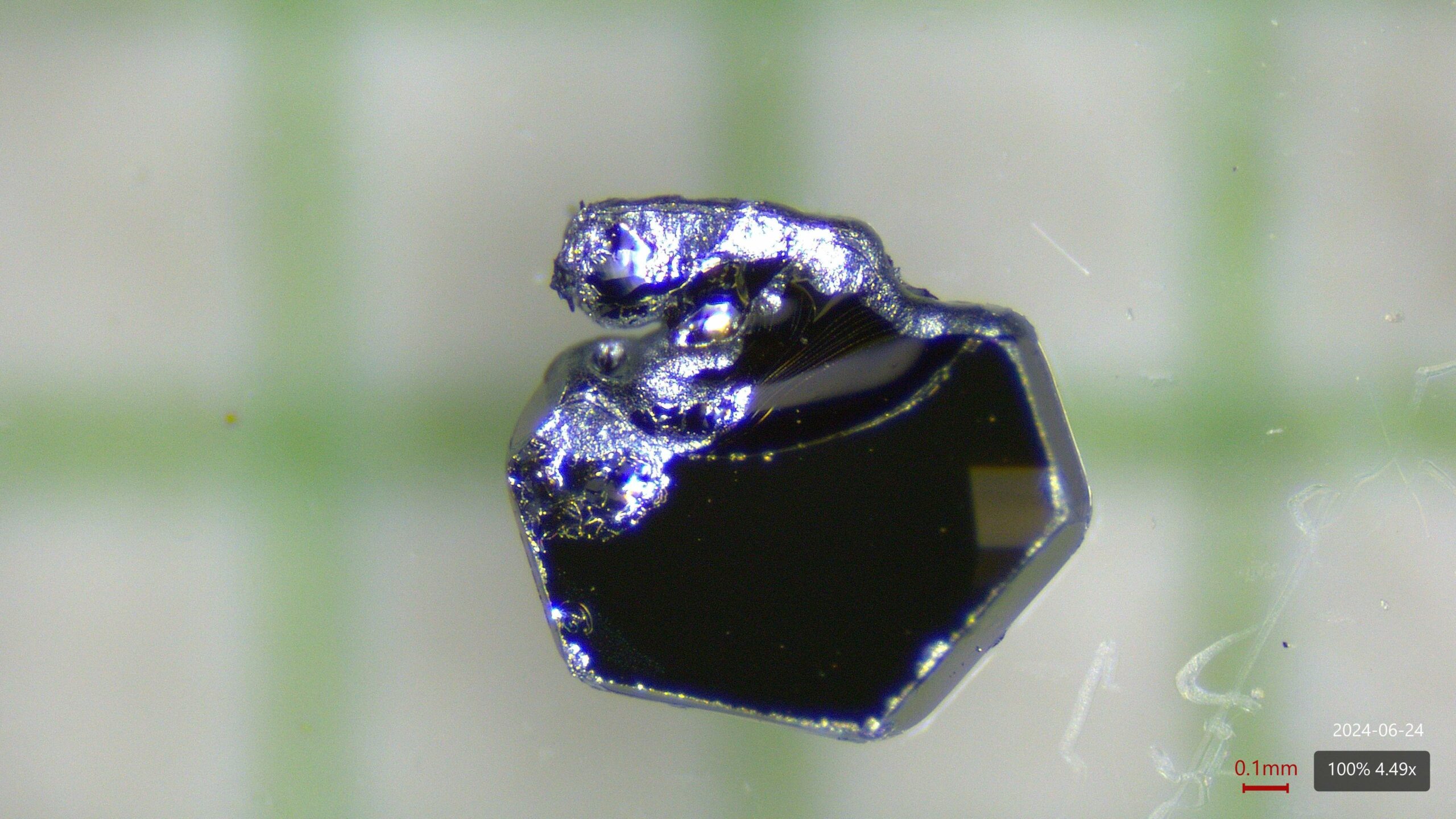
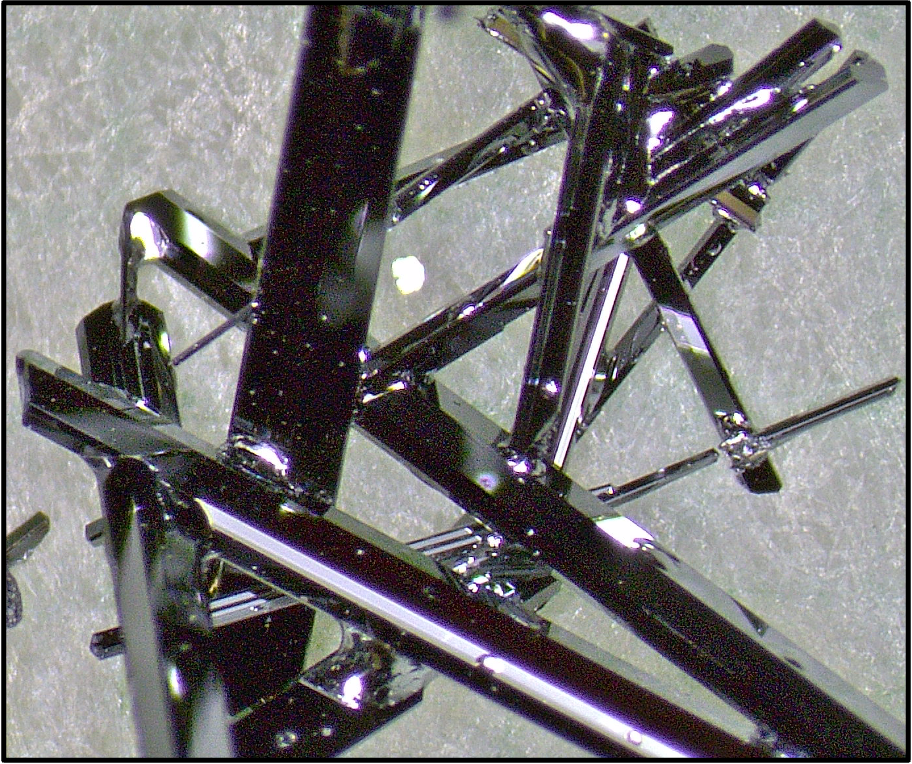
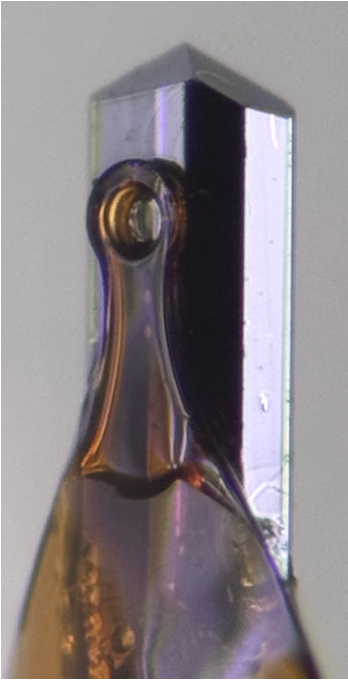
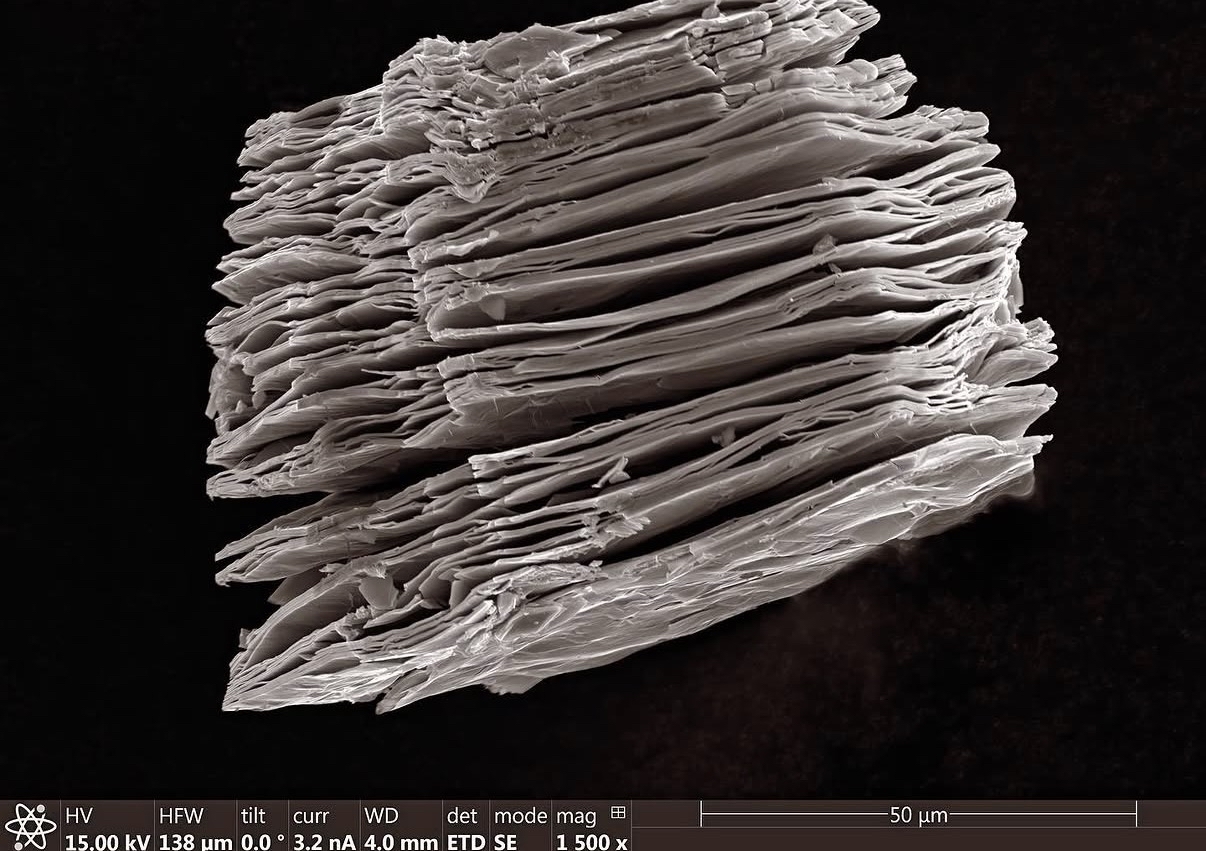
Single crystals from flux, vapor transport, and Bridgman growth, photographed in our lab.
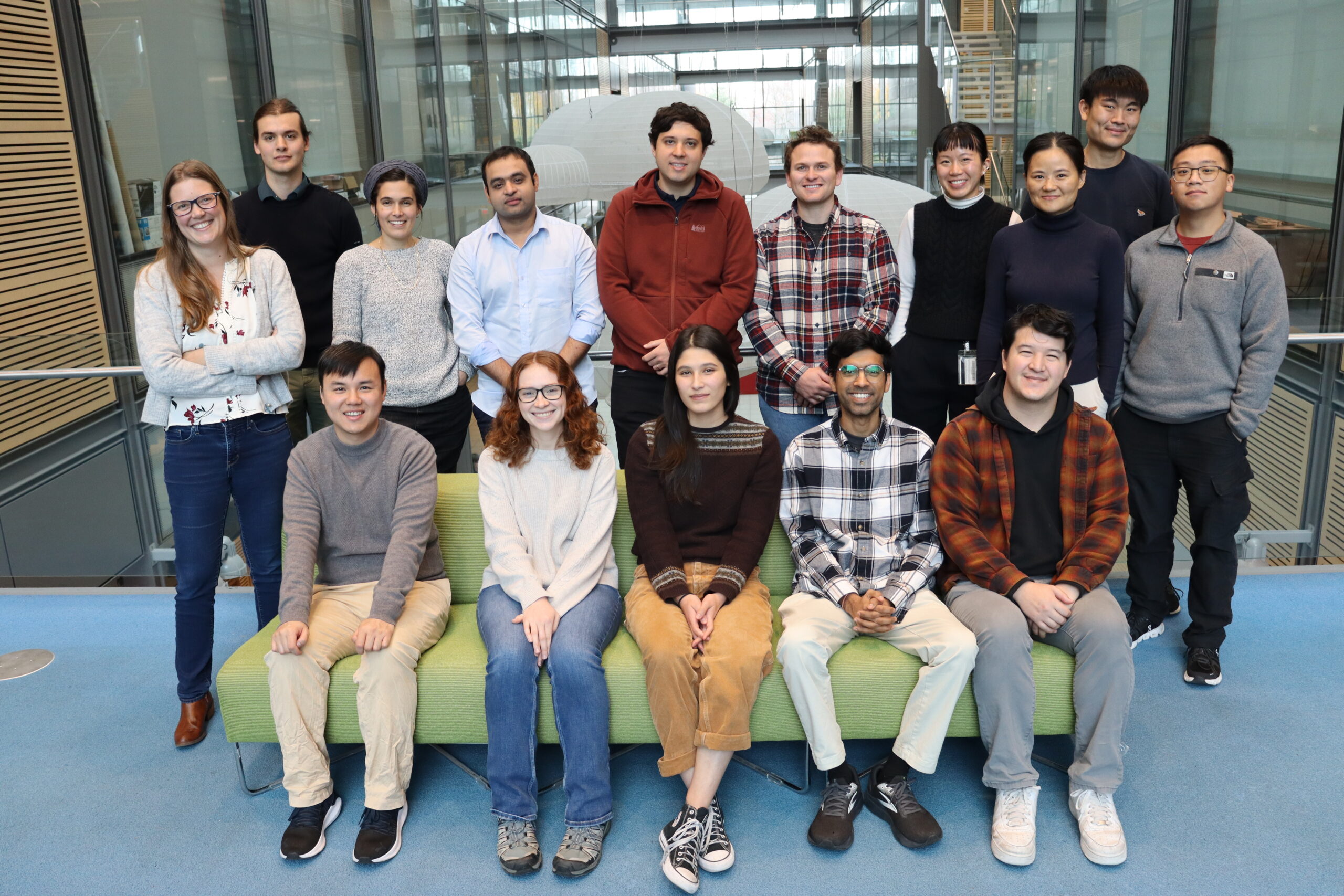
The Team
We are chemists, physicists, and everything in between: graduate students and postdocs who grow crystals, measure them, compute them, and argue about what it all means.
Schoop Lab alumni carry that training into faculty positions, national labs, and industry around the world, and we stay a tight-knit network long after people move on.
Latest Publications
Recent work from the group.
Doping dependence of the structural evolution in square net PrSbₓTe₂₋ₓ₋δ
Te substitution drives a square net through single-q and multiple-q charge density wave phases.
Dimensionality and electronic structure in square-net-derived bonding motifs
An invited tribute to Roald Hoffmann, following square-net motifs from one dimension to three.
Superconductors in the PtPb₃Bi Structure Type
A structure type that hosts a family of superconductors.